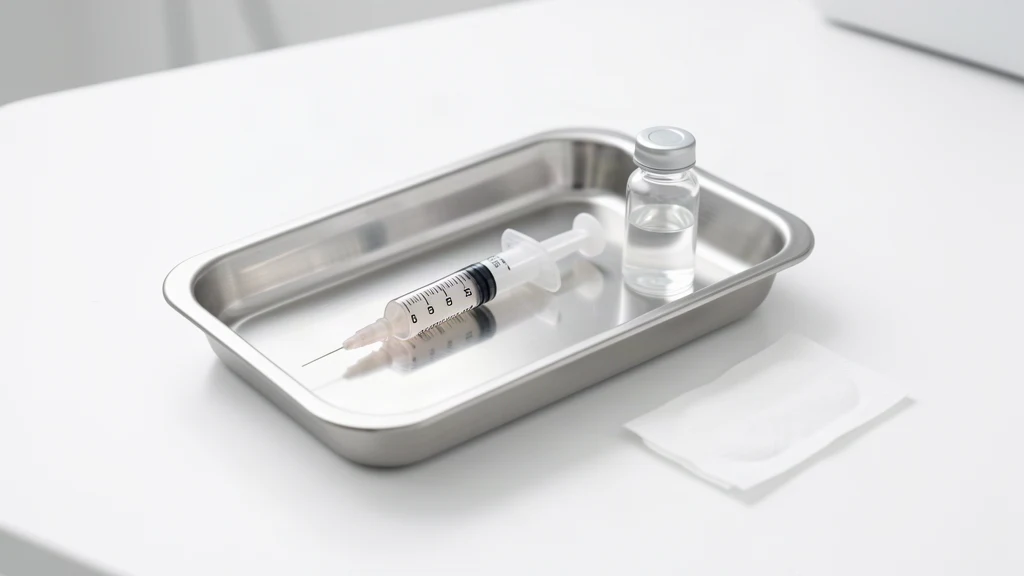
Many minor surgical problems can be looked after in a GP clinic. At Accord Medical Clinic in Ubi, Dr Joseph Wang carries out minor surgical procedures under local anaesthesia, having gained hands-on experience in acute presentations and minor procedures during his time in the Emergency Department at the National University Hospital from 2007 to 2008. Every procedure begins with an assessment, because not every problem is suitable for treatment in a clinic — where a problem needs care elsewhere, you will be told and referred.
Accord Medical Clinic provides minor surgery in Singapore from its clinic at Blk 325 Ubi Avenue 1, Singapore 400325. Procedures include suturing of wounds, removal of cysts and lipomas, incision and drainage of abscesses, wedge resection of ingrown toenails, ear syringing for impacted earwax, removal of foreign bodies from the ear and nose, and steroid injections for trigger finger and plantar fasciitis. Suitability for each procedure is decided at consultation.
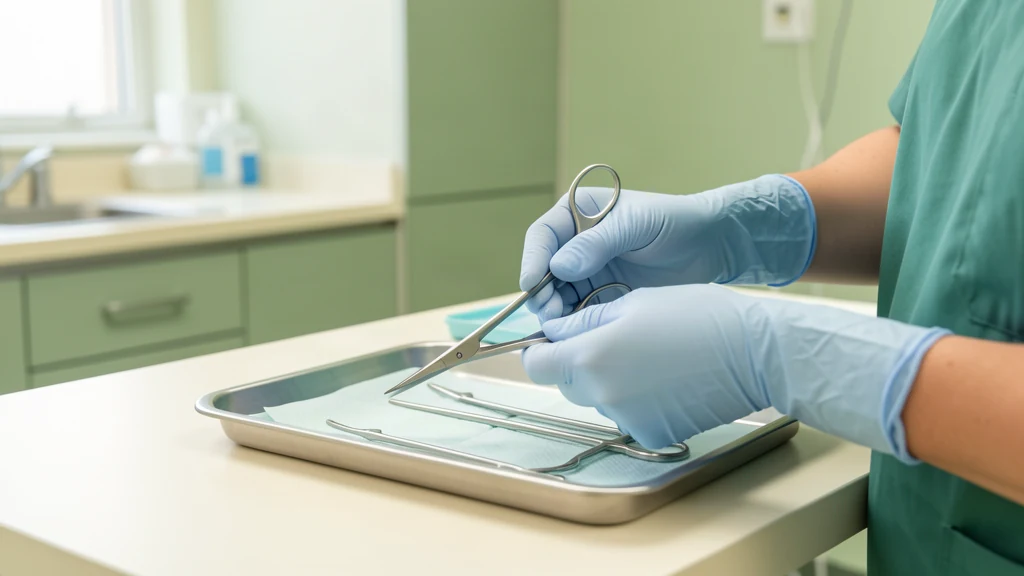
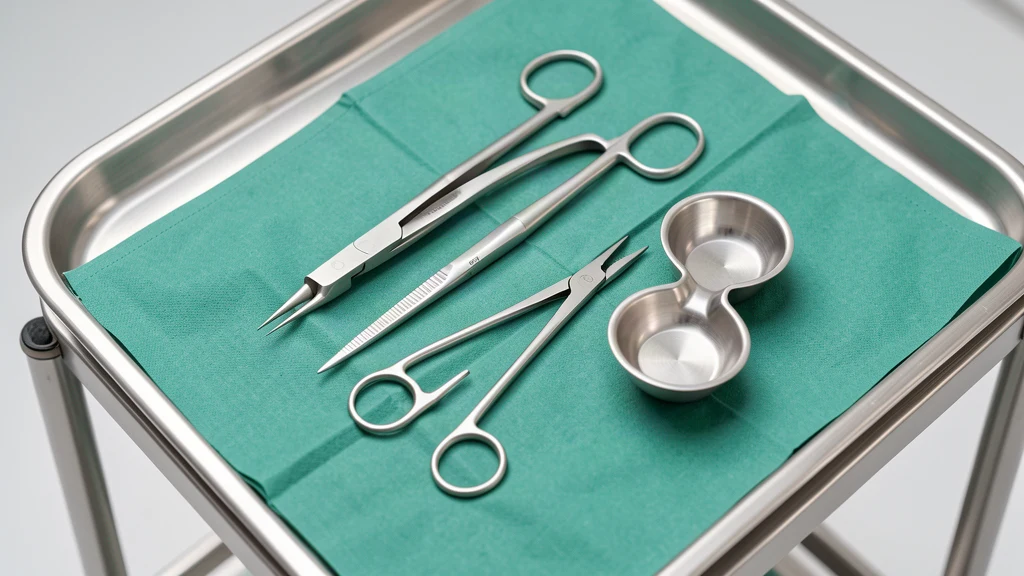
Minor procedures are carried out in the clinic treatment room under local anaesthesia.
What this covers
Suturing of lacerations and incised wounds
Removal of cysts and lipomas
Incision and drainage of abscesses
Wedge resection of ingrown toenails
Ear syringing for impacted earwax
Removal of foreign bodies from the ear and nose
Eye irrigation for superficial foreign bodies
Steroid injection for trigger finger
Steroid injection for plantar fasciitis
Wound review, dressing and suture removal
Wound care and follow-up dressings for companies and their staff
Minor surgical procedures performed at the clinic
Suturing of wounds
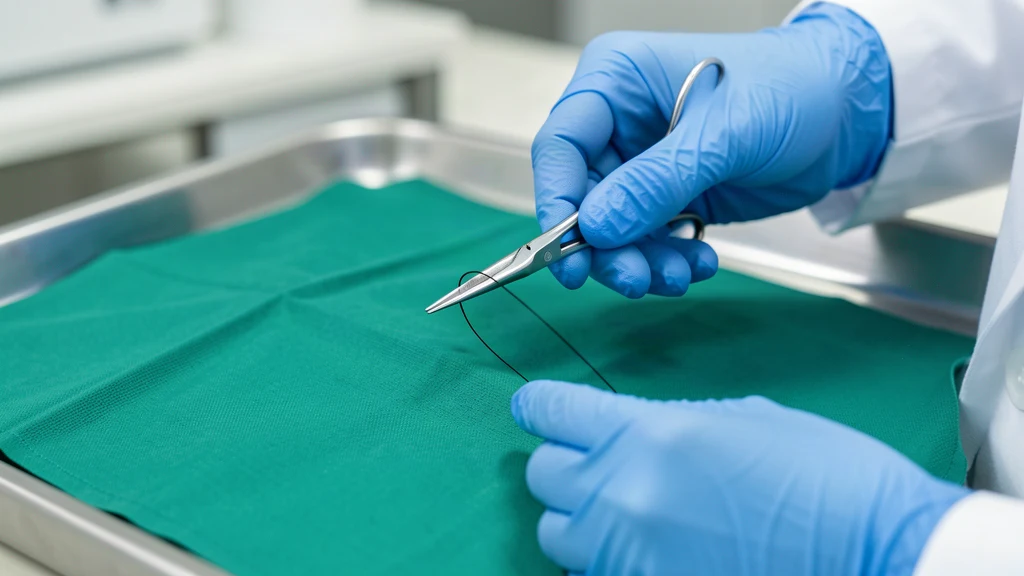
Lacerations and incised wounds are cleaned and inspected, then closed with sutures where closure is appropriate. Local anaesthetic is used. Before closing, the doctor checks the wound for injury to the structures beneath the skin, as this affects how a wound should be managed.
Wounds involving tendons, nerves, joints or deeper structures may need care beyond a clinic setting, and you would be referred. After closure you will be given wound-care advice and a review appointment, and the doctor will tell you when the sutures should be removed for that particular wound.
Removal of cysts and lipomas
Sebaceous cysts and lipomas are benign lumps that sit under the skin. Where removal is appropriate, the area is numbed with local anaesthetic and the lump is excised through a small incision.
The lump is examined first. Some lumps need assessment or investigation before any decision about removal is made, and removed tissue is often sent to a laboratory for examination. You will be given wound-care advice and a review appointment.
Incision and drainage of abscesses
An abscess is a collection of pus in or beneath the skin. It is treated by making a small opening under local anaesthetic and draining the pus, after which the cavity is cleaned and dressed.
Antibiotics, dressing changes and a review appointment are commonly part of the plan. Abscesses in certain sites, or those associated with significant illness, may need hospital care instead, and your doctor will advise you if that applies.
Wedge resection of ingrown toenails
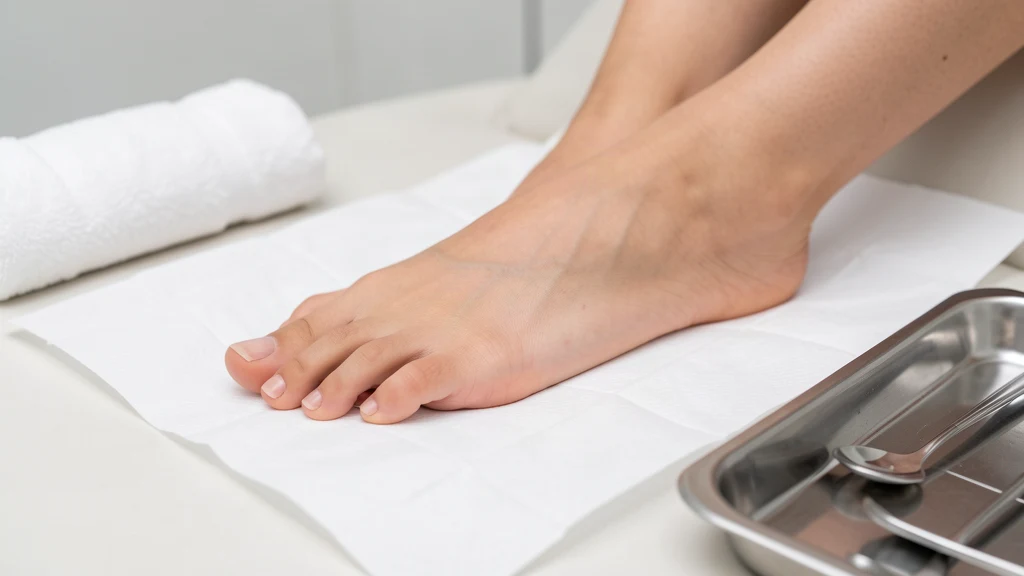
An ingrown toenail that keeps returning, or that has caused repeated infection of the skin around the nail, can be treated by removing the affected edge of the nail together with the corresponding part of the nail bed, under local anaesthetic. Part of the nail matrix may also be treated to reduce the chance of the nail edge growing back into the skin.
You will be shown how to care for the toe while it heals, and a review appointment is usually arranged.
Removal of foreign bodies from the ear and nose
Foreign bodies in the ear or nose are assessed and, where it is safe to do so, removed with appropriate instruments under direct vision.
A foreign body that cannot be seen or reached safely, or one that is in the throat or airway, will be referred to an emergency department or an ENT specialist rather than being attempted in the clinic.
Ear syringing for removal of cerumen
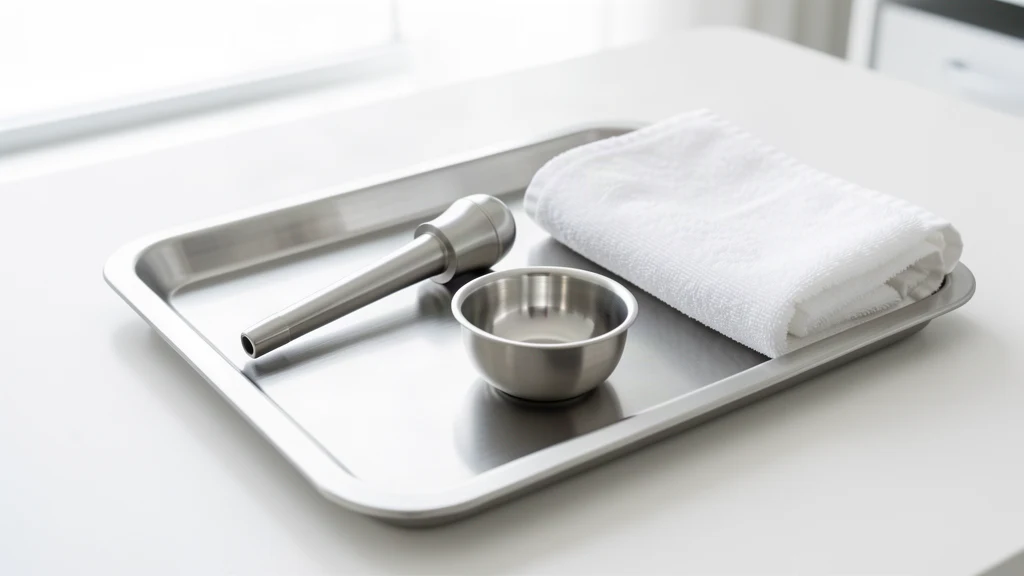
Earwax that has hardened and blocked the ear canal can be softened and then removed by syringing the canal with water at body temperature. The canal and eardrum are examined before syringing to check that it is appropriate, and examined again afterwards.
Syringing is not suitable for every blocked ear — for example where there has been previous ear surgery or a perforated eardrum — and where it is not suitable, other options will be discussed.
Eye syringing for removal of foreign bodies
Superficial foreign bodies and irritants on the surface of the eye can be flushed out by irrigating the eye. The eye is examined first, and then examined again afterwards.
Penetrating injury, embedded foreign bodies, or injury involving the cornea are referred to an ophthalmologist.
Steroid injection for trigger finger
Trigger finger (stenosing flexor tenosynovitis) happens when the flexor tendon of a finger becomes swollen and catches as it moves, which can cause pain and a locking sensation.
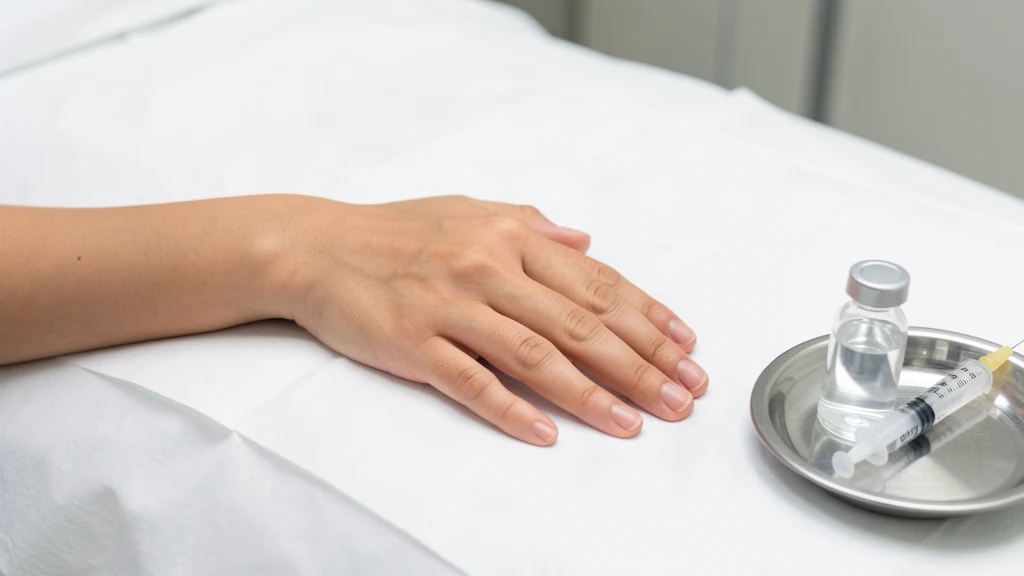
Where an injection is considered appropriate, a small amount of corticosteroid is injected into the tendon sheath under local anaesthesia. Your doctor will assess whether an injection is suitable for you, and will discuss the alternatives.
Steroid injection for plantar fasciitis
Plantar fasciitis causes heel pain at the point where the plantar fascia attaches to the heel bone.
Where an injection is considered appropriate, a small amount of corticosteroid is injected at that point. An injection is usually one part of a wider plan that also includes stretching, footwear and load management, and your doctor will discuss what else is likely to help.
Wound review, dressing and suture removal
After a procedure you may need dressing changes, a wound check or removal of sutures. These are done at the clinic.
Bring your appointment card or the instructions you were given, so the doctor can see what was done previously. If a wound becomes more painful, more swollen, or starts to discharge, contact the clinic rather than waiting for the review appointment.
This page is general information and does not replace a medical consultation. Whether a procedure is suitable for you is decided by the doctor after assessment. Accord Medical Clinic is an MOH-licensed medical clinic in Singapore.
What to expect at your appointment
01
Contact the clinic — call, message on WhatsApp, or book online. It helps to tell the receptionist what the problem is, so the right amount of time can be set aside.
02
The doctor examines you and explains whether the problem can be treated at the clinic, or whether it needs to be managed elsewhere. Nothing is done before you have had that discussion.
03
If the procedure can be done here, it is explained first — what will be done, what the local anaesthetic involves, and what to expect afterwards. You then decide whether to go ahead.
04
The procedure is performed at the clinic. Some procedures can be carried out during the same visit; others are arranged for a later appointment.
05
You leave with aftercare advice and, where needed, a review appointment. Your doctor will tell you what to look out for and when to return.
Can minor surgery be done at a GP clinic in Singapore?
Yes. A number of minor procedures can be carried out in a GP clinic under local anaesthesia. The doctor assesses the problem first and confirms whether it can be treated at the clinic or needs to be managed elsewhere.
Do I need a referral to be seen?
No referral is needed and you can book directly with the clinic. If your problem turns out to need specialist or hospital care, the doctor will explain why and arrange the referral.
What happens during a minor procedure?
The area is prepared and numbed with local anaesthetic, the procedure is carried out, and the wound is dressed. Your doctor will explain the aftercare and whether a review appointment is needed.
How should I prepare for the appointment?
Bring your identity card, a list of the medication you are taking, and details of any previous treatment for the same problem. If you are on blood-thinning medication, tell the doctor, as it may affect the plan.
What if the procedure cannot be done at the clinic?
Some problems need hospital or specialist care. Where that is the case, the doctor will explain the reason and arrange for you to be referred rather than attempting the procedure in the clinic.
Hi! 👋 I'm Accord's health assistant. Ask me anything about our weight-loss programme, GLP-1 treatment, costs, or clinic hours — try typing a question below, e.g. "How does GLP-1 work?"
I give general information, not medical advice — the doctor has the final word.
Answers are from the clinic's published content and are not a substitute for a consultation.