What is body composition?
We commonly use body weight changes to understand our overall health, but weight alone cannot tell us whether a gain or loss came from muscle or from fat. Body composition looks at a person’s weight by breaking it into its core components: fat, protein, minerals and body water.
It describes weight in more detail than BMI or the scale on its own, because two people of the same weight can be carrying very different amounts of fat and muscle. That difference is what changes the risk attached to the weight.
How InBody measures your body composition
InBody devices use a principle known as bioelectrical impedance analysis (BIA). BIA measures resistance, or impedance, between body cells by passing alternating electrical microcurrents through the body.
Fat and lean tissue conduct that current differently, so the difference in conductivity reflects the difference between lean mass (FFM) and body fat mass (BFM). The current is small and the test is not painful.
Body composition analysis
This section breaks your whole body composition into four components: total body water, protein, minerals and body fat mass.
Muscle-fat analysis
This section puts your muscle mass and your body fat side by side, and shows which of the two has changed through the programme. It is the part that answers the question the scale cannot: was that loss fat, or was it muscle?
Obesity analysis
This section shows your percent body fat (PBF) and body mass index (BMI), which together give a picture of your current level of body fat and your risk of related health conditions.
Segmental fat analysis
This section shows the amount of fat in each segment of the body — arms, trunk and legs — so that fat changes in each area can be tracked as your training and diet change.
Visceral fat
Visceral fat is the fat that surrounds the organs in the abdominal area. The visceral fat level on your sheet is used to assess risk of metabolic syndrome, which BMI on its own does not show.
Segmental lean analysis
This section evaluates whether there is enough muscle in each body part — arms, trunk and legs — and whether the muscle is balanced across those segments.
InBody score
The InBody score is an evaluation of your current body composition status, based on the amount of muscle mass and fat mass you are carrying.
The InBody range, by model number
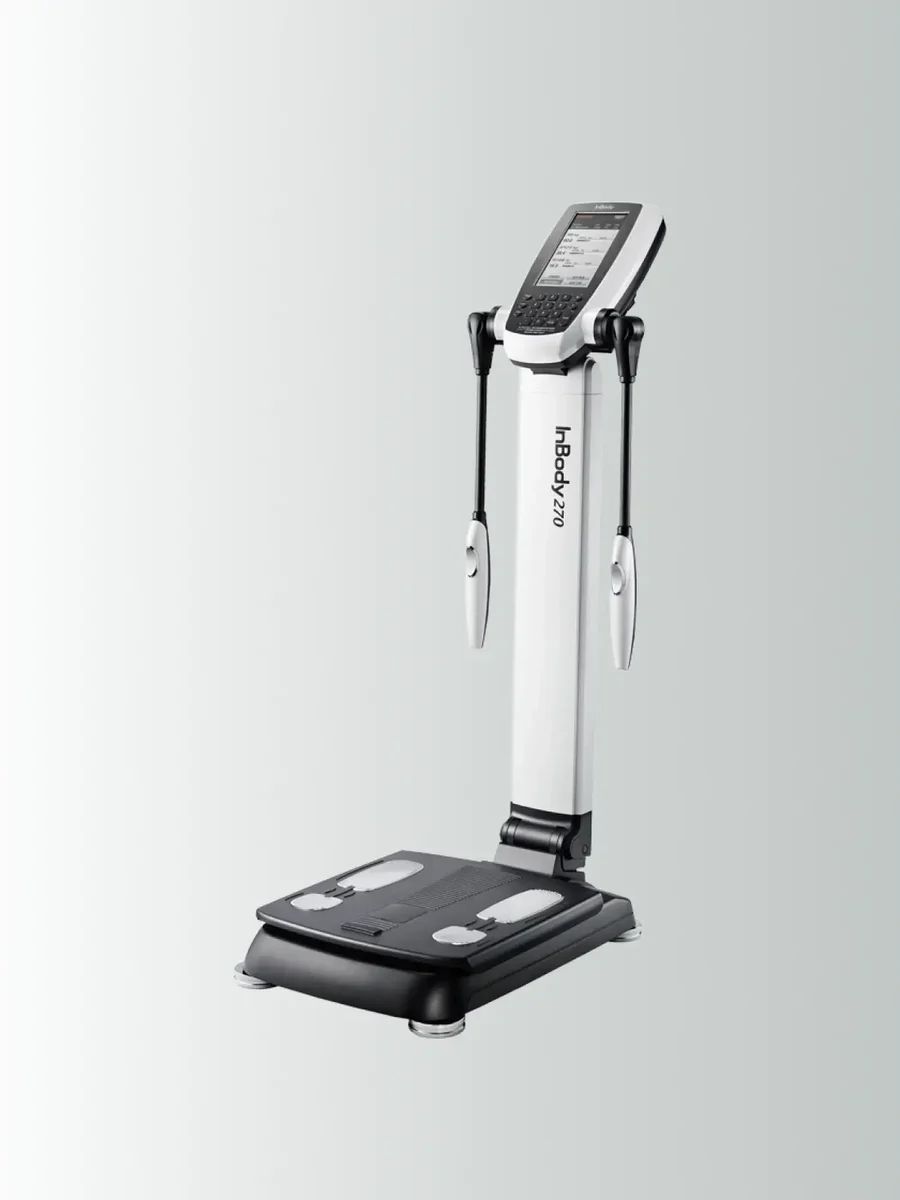
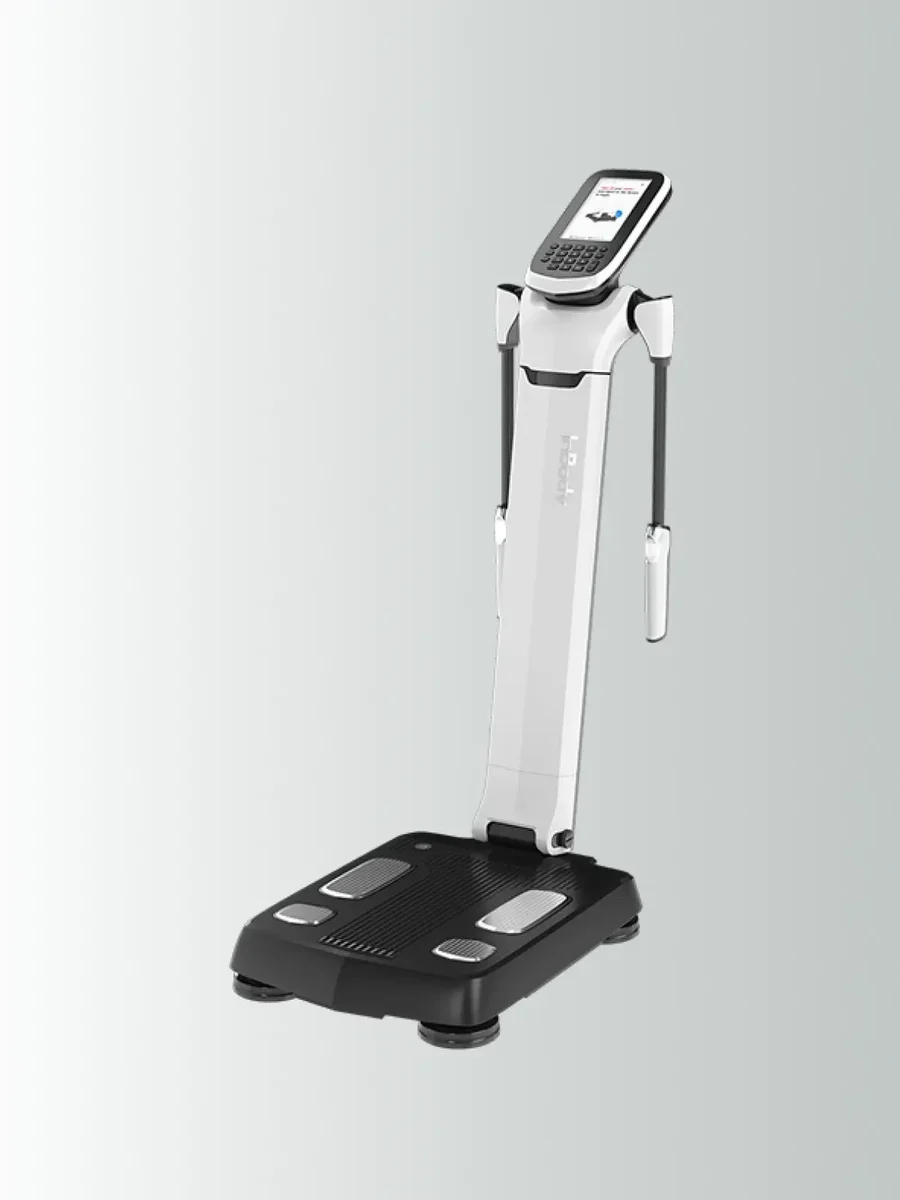
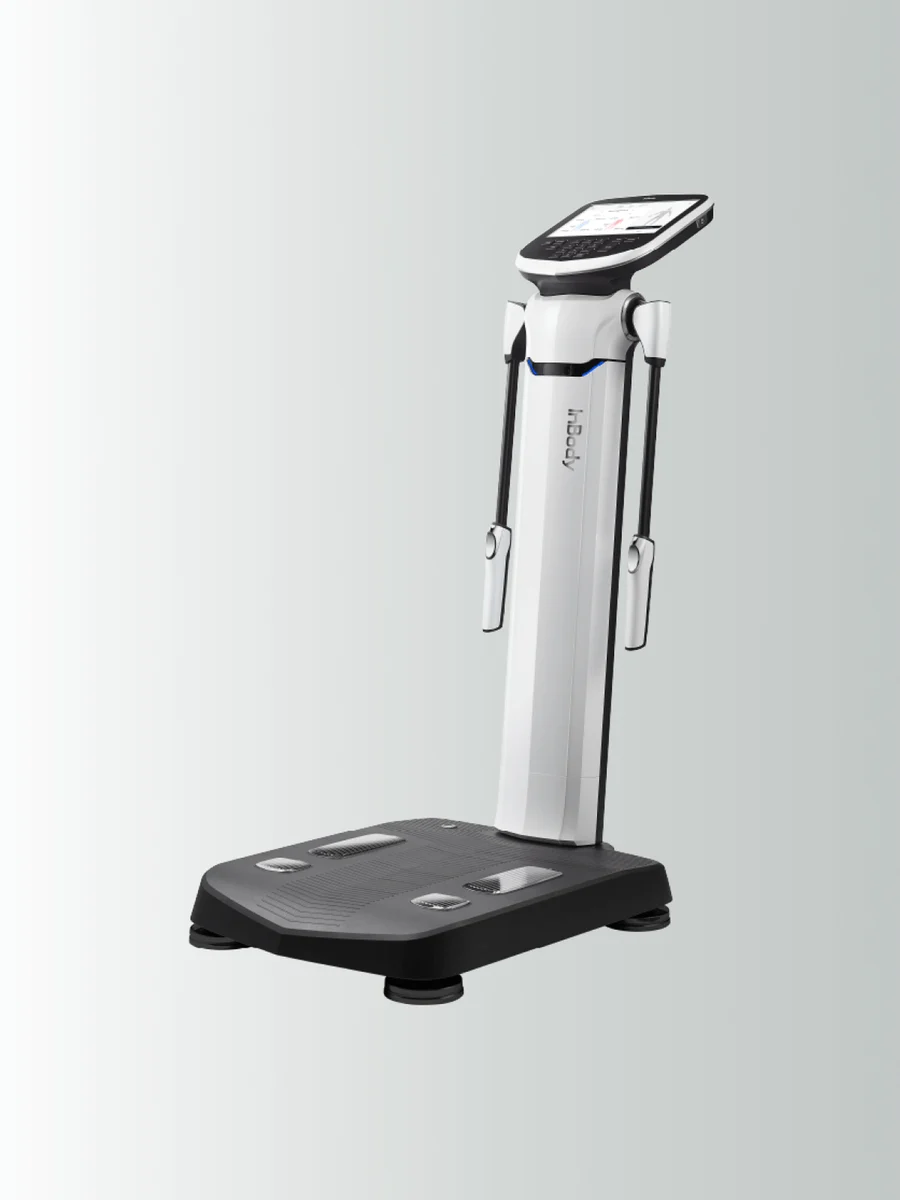
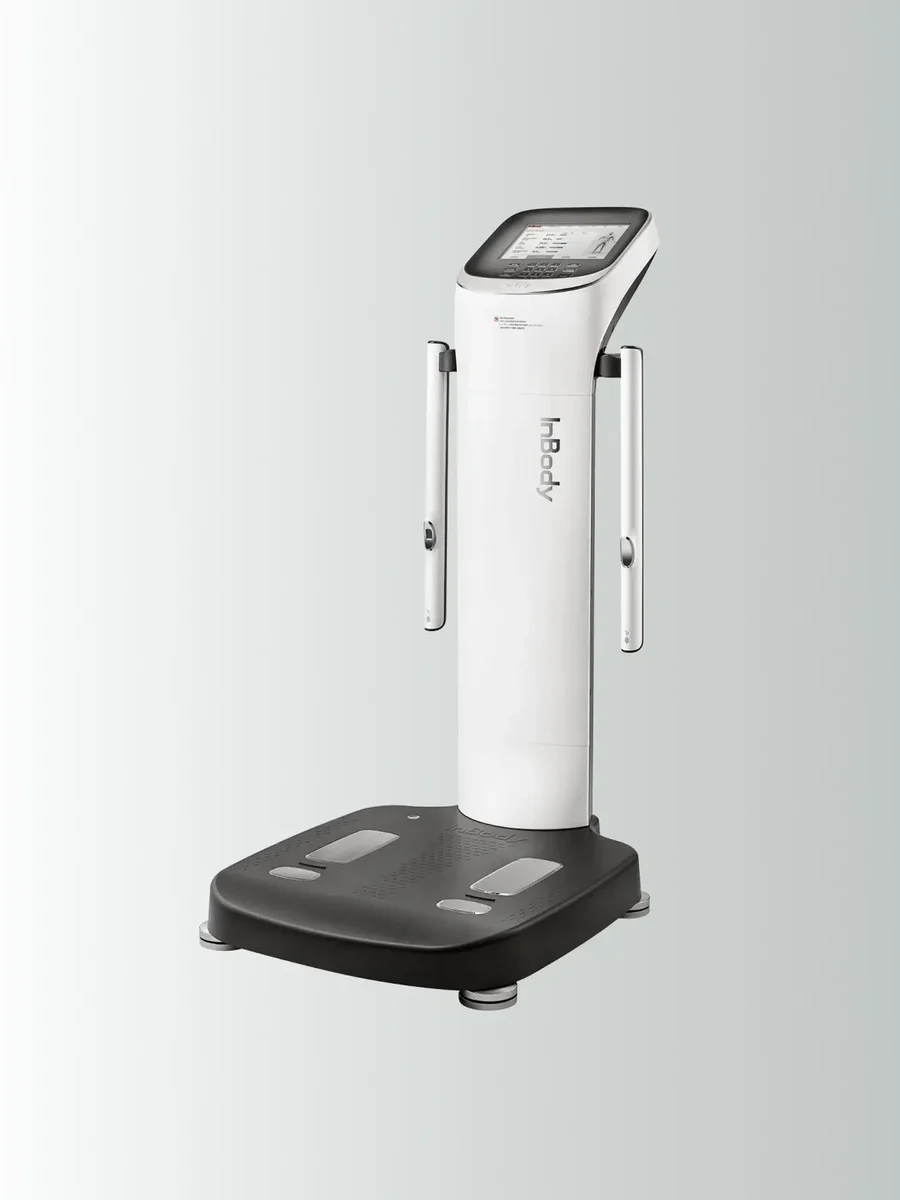
InBody names each device by model number, and the analyser used for a body composition test is one of the professional body composition models. The full range listed by InBody Asia is set out below, so that the model number on a result sheet or a brochure can be placed.
Body composition analysers: InBody270S, InBody380, InBody580, InBody770S and InBody970S. These perform the test described on this page — standing barefoot on the foot electrodes and holding the hand electrodes.
Body water analysers: BWA2.0S and InBody S10. These are used where body water and fluid balance need to be measured in more detail than the standard result sheet provides.
Height and other measurements: BSM370 and BSM170 stadiometers, BPBIO750 and BPBIO320 blood pressure monitors, and the InGrip handgrip strength dynamometer.
This page describes the InBody body composition test at the clinic. It is general information and not a substitute for an examination; whether the test is appropriate for you is decided by the doctor at your visit.