Weight Management
Losing Weight in Singapore: What Actually Works
Practical, doctor-reviewed guidance on losing weight in Singapore: what works, what doesn't, hawker food, portion reality, and when to get medical help.
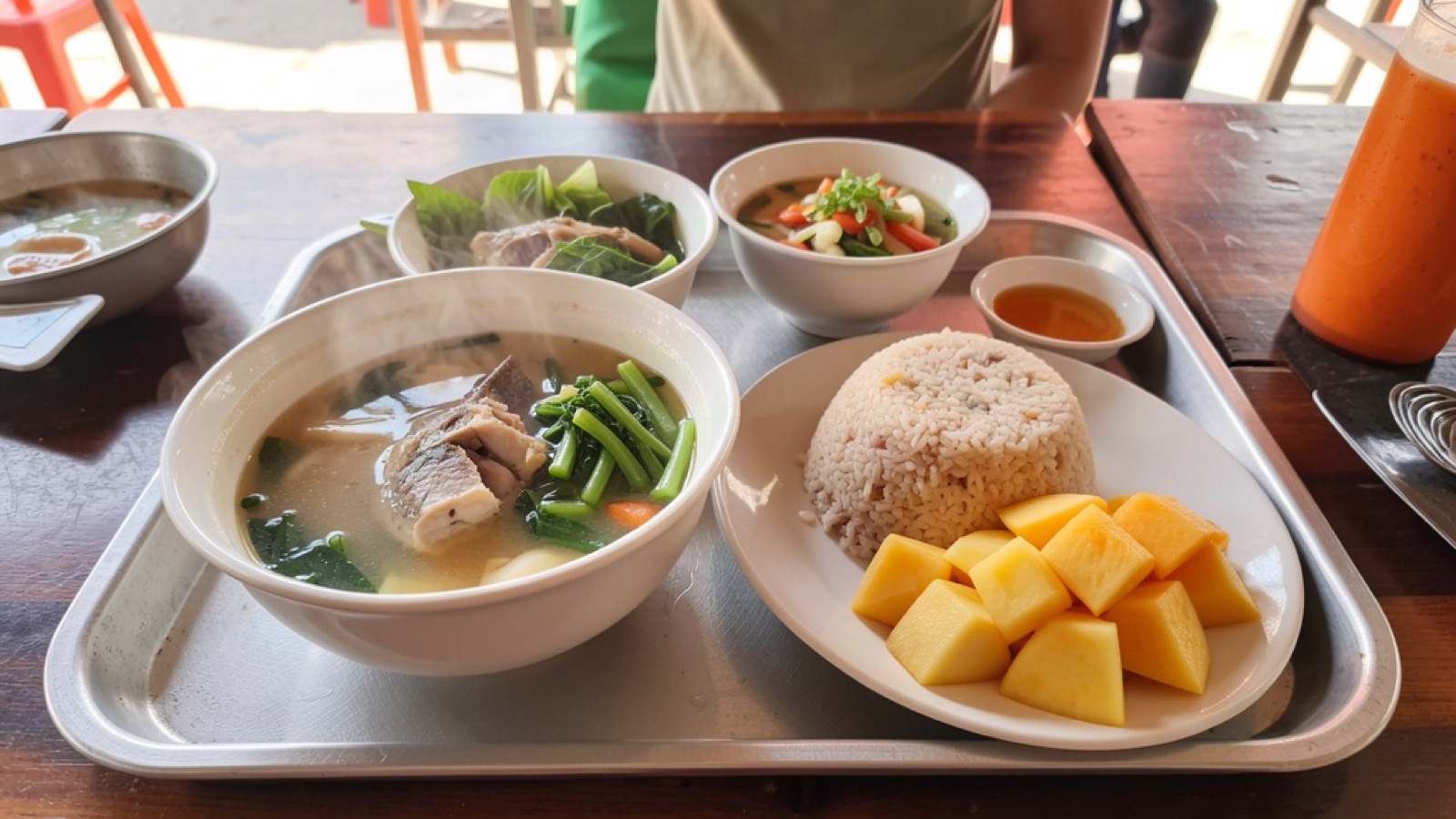
Singapore makes losing weight harder than the advice columns admit. Food is everywhere, it is cheap, it is excellent, and it is engineered to be delicious. Evening meals run late, office lunches are hawker-centred, and the national pastime is eating. So let’s skip the generic advice and talk about what actually moves the needle here.
Start with the maths, then forget it
Weight changes when you eat less than you burn. That is the whole equation. The difficulty is that both sides of it are controlled by biology, not willpower: hunger hormones, sleep, stress and the food environment all push in the opposite direction.
So yes, calories matter. But the useful version of that statement is: choose an eating pattern that keeps you full on fewer calories, because a plan you can sustain beats a perfect plan you abandon in three weeks.
What works in Singapore specifically
Protein first, at every meal. Aim for roughly 1.2–1.6g of protein per kilogram of body weight daily — around 90–120g for most adults. Protein keeps you full and protects muscle while you lose fat. At a hawker centre: fish soup, chicken rice with extra chicken and less rice, satay without the peanut overload, yong tau foo with vegetables, eggs. Protein is the single highest-value change for most people.
Fix the drinks. Sweetened drinks, bubble tea and even fresh juices add calories that do nothing for fullness. This one change alone often accounts for a slow but steady weight loss in people who otherwise eat sensibly.
Portion reality at hawker stalls. Ask for less rice or noodles. Share the fried items. Choose soup-based or steamed dishes over fried. Nothing is banned; the default portions are just sized for a different lifestyle.
Walk like it’s transport, not exercise. Meet the 150 minutes a week activity guideline with MRT-to-office walks, lunch laps and stairs. Add two short resistance sessions a week with bands or dumbbells, because muscle protects your metabolism.
Protect sleep. Short sleep raises hunger hormones and lowers willpower the next day. Seven or more hours is a weight-management intervention, not a luxury — and it is one of the few that costs nothing.
What doesn’t work (or backfires)
- Skipping meals to save calories. You eat it back later, usually worse food.
- Detox teas, slimming pills, fat-burner supplements. No meaningful evidence, real side-effect risk, and some are illegal in Singapore.
- Crash diets below about 1,200 calories. You lose muscle, hunger spikes, and the weight returns.
- Buying prescription weight-loss medicines online. Unsafe, unregulated, and illegal in Singapore. Prescription medicines require a doctor’s assessment and monitoring.
When to get medical help
See a doctor about weight if any of these apply:
- Your BMI is 23 or above on the Asian scale (lower than the Western charts use)
- Your waist is over 90cm (men) or 80cm (women)
- You have pre-diabetes, type 2 diabetes, high blood pressure, high cholesterol, sleep apnoea or fatty liver
- You have dieted repeatedly and lost the same weight over and over
- Your weight is affecting your joints, sleep, mood or fertility
A medical assessment is not a sales pitch. Its job is to work out what is driving weight gain in your specific case, check for conditions that make weight loss harder, and tell you honestly whether any treatment is appropriate.
What a doctor-led programme adds
Medical weight management in Singapore is not one thing. It starts with assessment: your history, measurements, bloods where relevant. From there the plan combines nutrition, activity and behavioural support, with prescription treatment only where clinically appropriate, monitored at reviews. The maintenance phase (keeping the weight off) is part of the programme, because that is where most diets fail.
Want the details? Our weight management programme explains how it works, and the GLP-1 guide covers the medication side for anyone who is comparing options. If you would rather start with numbers, our BMI calculator and calorie calculator are free and take a minute.
Frequently asked questions
How much weight can I lose in a month?
A sustainable rate is about 0.5 to 1kg per week, so 2 to 4kg a month for most people. Faster loss is usually water and muscle, and it comes back. Losing 5 to 10% of your body weight over a few months is where health markers start improving meaningfully.
Can I still eat hawker food and lose weight?
Yes, with better choices rather than avoidance. Ask for less rice or noodles, add vegetables, choose soup or steamed options over fried, skip sweetened drinks, and treat fried toppings as occasional. Hawker food is not the problem; the default portions and drinks are.
Do I need medication to lose weight?
Most people do not. Nutrition, activity and sleep do the heavy lifting for most, and a doctor can tell you whether medical treatment is appropriate for your situation. If your BMI or health conditions mean medical support would help, that is a clinical decision, not a product choice.
Why does weight come back after a diet?
Because appetite hormones defend the weight you started at. When a diet ends and eating returns to normal, hunger signals push intake back up. Keeping weight off needs a maintenance plan, not just a diet. That is why the clinic treats the maintenance phase as part of treatment, not an afterthought.