
Medically Reviewed By
Dr Joseph Wang
Medical Director, Accord Medical Clinic
Updated: July 20, 2026 | Reading time: 8 min
Blue Zone Diet: 11 Dietary Guidelines for Longevity and Healthy Weight Management
What if the secret to living longer and maintaining a healthy weight wasn’t a fad diet, but simply eating the way the world’s longest-lived people have eaten for centuries? The Blue Zone diet offers exactly that — a research-backed framework drawn from regions where people routinely live to 100 and beyond, with remarkably low rates of obesity and chronic disease.
In this article, we explore the 11 dietary guidelines followed by Blue Zone centenarians, explain how these principles support healthy weight management, and offer practical ways to incorporate them into your lifestyle in Singapore.
📋 Table of Contents
What Are Blue Zones?
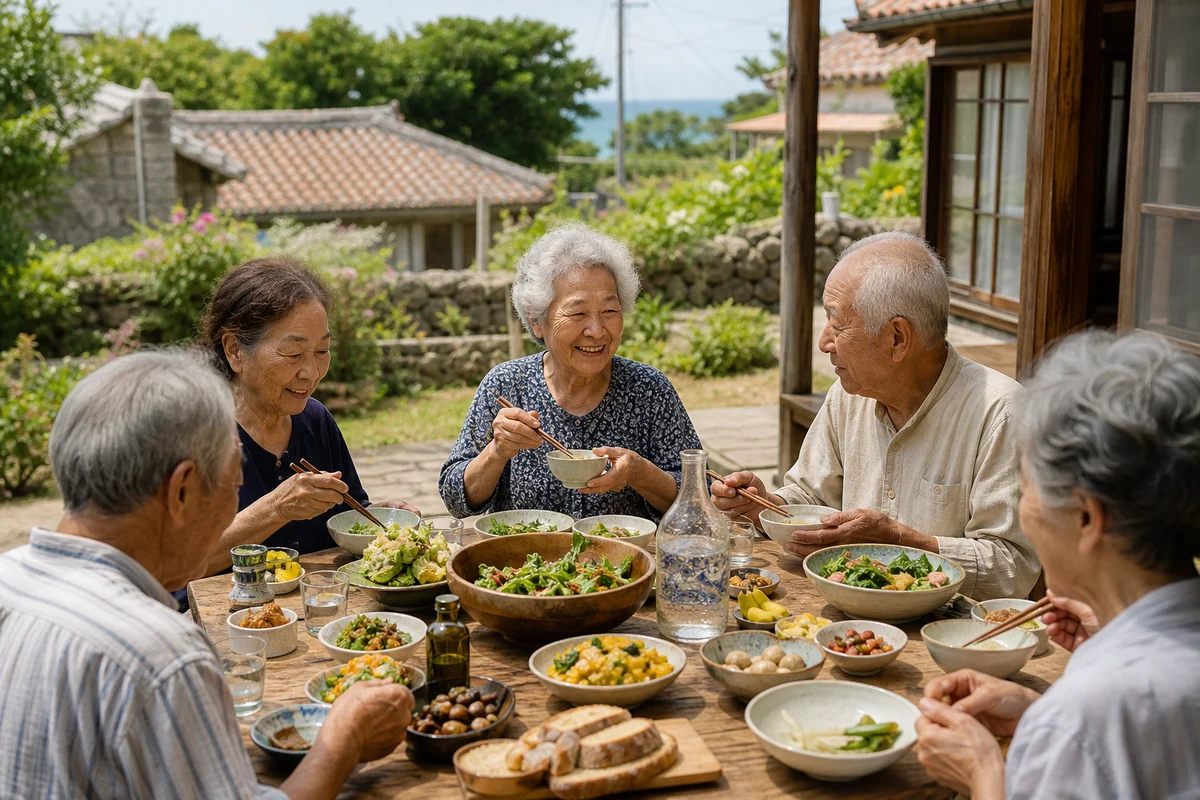
“Blue Zones” are specific regions in the world where people live significantly longer and healthier lives than average, with a much higher than usual number of centenarians — people who live to 100 or older. The term was coined by National Geographic researcher Dan Buettner, who identified these regions after extensive demographic research.
According to the book Blue Zones Kitchen, the world’s longest-lived people share common dietary and lifestyle patterns that have been observed across generations.
The Five Blue Zones
| Region | Country | Key Characteristics |
|---|---|---|
| Okinawa | Japan | Plant-based diet rich in sweet potatoes, soy, and vegetables; strong social networks (“moai”) |
| Ikaria | Greece | Mediterranean diet with vegetables, olive oil, potatoes, and herbal teas; midday naps |
| Sardinia | Italy | Whole grains, fava beans, goat’s milk, and moderate red wine; strong family bonds |
| Nicoya | Costa Rica | Beans, corn tortillas, squash, and tropical fruits; strong sense of purpose (“plan de vida”) |
| Loma Linda | California, USA | Seventh-day Adventist community; vegetarian or vegan diet, nuts, and whole grains |
Despite their geographic and cultural differences, all five Blue Zones share remarkably consistent dietary patterns — patterns that also align with evidence-based recommendations for maintaining a healthy body weight.
The 11 Blue Zone Dietary Guidelines
Drawing from decades of research on the world’s longest-lived populations, here are the 11 core dietary principles that Blue Zone centenarians follow for most of their lives:
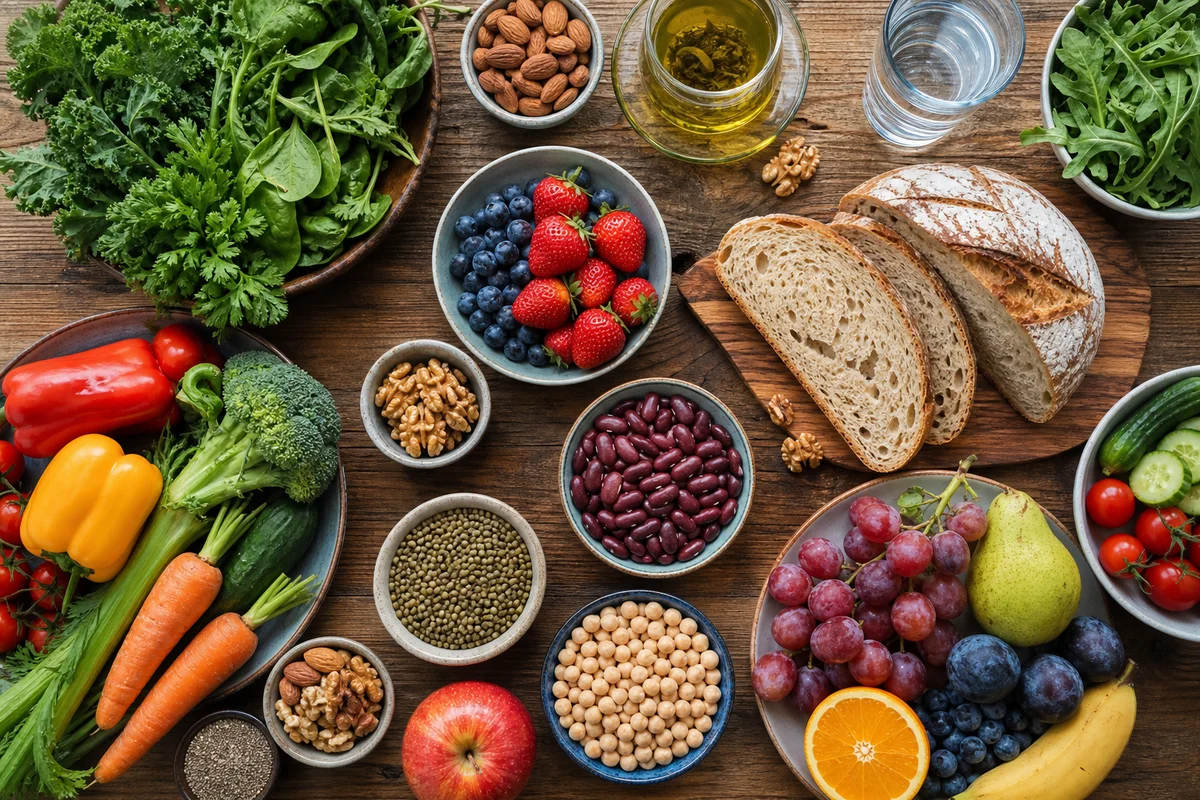
1. 90 to 100 Percent Plant-Based Diet
People living in the Blue Zones eat a wide variety of garden vegetables and leafy greens — spinach, kale, cabbage, broccoli, beet and turnip tops — along with beans, sweet potatoes, whole grains, fruits, nuts, and seeds. Plant foods form the overwhelming majority of their daily intake.
2. Eat Less Meat
Averaging consumption across the Blue Zones, people typically eat about two ounces or less of meat about five times a month. Meat is treated as a celebratory food or small side dish, never the centrepiece of a meal.
3. Eat the Right Type of Fish
Blue Zone populations consume fewer than three ounces of fish up to three times a week, favouring small, inexpensive varieties such as sardines, anchovies, and cod — fish that are not exposed to high levels of mercury and are more sustainable.
4. Reduce Dairy
Cow’s milk is seldom featured in any of the Blue Zone diets. When dairy is consumed, it is mostly in the form of fermented products such as yogurt, sour milk, or small amounts of cheese — particularly from goat’s or sheep’s milk.
5. Cut Down on Eggs
People in Blue Zones eat eggs about two to four times a week. Their eggs typically come from free-range chickens that do not receive hormones or antibiotics. Eggs are usually eaten as a side dish rather than the main protein source.
6. Eat a Daily Dose of Beans
Beans are the cornerstone of the longevity diet in every Blue Zone. They contain more nutrients per gram than almost any other food on earth — on average, 21 percent protein, 77 percent complex carbohydrates, and only a small percentage of fat. Black beans, lentils, chickpeas, soybeans, and fava beans all feature prominently.
7. Reduce Sugar Intake
Blue Zone centenarians consume only about 28 grams (7 teaspoons) of added sugar daily. They limit sugar added to coffee, tea, or other foods to no more than 4 teaspoons per day and skip any product that lists sugar among its first five ingredients.
8. Snack on Nuts
Eating two handfuls of nuts per day is a common habit across the Blue Zones. A handful weighs about two ounces — the average amount that centenarians consume. Almonds, walnuts, and pistachios are excellent choices.
9. Sour on Bread
Blue Zone populations strive to eat only sourdough or 100 percent whole wheat bread. Whole grains contain higher levels of fibre than the commonly used bleached flours found in most commercial breads, and the natural fermentation of sourdough improves digestibility.
10. Go Whole Foods
Centenarians eat whole foods — foods that are recognisable and made from a single ingredient, whether raw, cooked, ground, or fermented. They avoid highly processed foods with long ingredient lists and artificial additives.
11. Drink Mostly Water
Blue Zone inhabitants avoid soft drinks and carbonated beverages entirely. They drink approximately seven glasses of water daily, supplemented with tea (particularly green tea in Okinawa, which has been shown to reduce the risk of heart disease and several cancers), coffee, and moderate amounts of red wine with meals.
| Guideline | Blue Zone Practice | Daily Target |
|---|---|---|
| 🥬 Plant-based | Vegetables, greens, legumes, grains, fruits | 90-100% of diet |
| 🥩 Meat | Small portions as flavouring | ≤2 oz, ~5 times/month |
| 🐟 Fish | Small, low-mercury varieties | ≤3 oz, up to 3 times/week |
| 🥛 Dairy | Fermented, goat/sheep milk | Minimal |
| 🥚 Eggs | Free-range, as side dish | 2-4 per week |
| 🫘 Beans | All varieties — cornerstone food | At least ½ cup daily |
| 🍬 Sugar | Natural sources only | ≤28g (7 tsp) added |
| 🥜 Nuts | Almonds, walnuts, pistachios | 2 handfuls (~2 oz) daily |
| 🍞 Bread | Sourdough or 100% whole wheat | Replace white bread entirely |
| 🥗 Whole foods | Single-ingredient, unprocessed | Primary food source |
| 💧 Water | Water, tea, coffee, moderate wine | ~7 glasses water daily |
How Blue Zone Eating Supports Healthy Weight Management
While the Blue Zone diet was not designed as a weight loss programme, its principles naturally support maintaining a healthy body weight. Here’s how:
Natural Calorie Control
A 90-100% plant-based diet is naturally lower in calorie density. One cup of beans or vegetables provides far fewer calories than the same amount of meat or processed foods, allowing you to feel full while consuming fewer calories.
High Fibre for Satiety
Beans, whole grains, vegetables, and fruits are rich in dietary fibre. Fibre slows digestion, promotes a feeling of fullness (satiety), and helps regulate blood sugar levels — all of which support healthy weight management.
Elimination of Ultra-Processed Foods
The Blue Zone emphasis on whole, single-ingredient foods naturally eliminates ultra-processed foods — the category most strongly linked to weight gain, obesity, and metabolic disease in modern populations.
Protein from Plants and Legumes
Beans and legumes — the cornerstone of every Blue Zone diet — provide 21% protein along with complex carbohydrates and minimal fat. This combination supports muscle maintenance while avoiding the saturated fats associated with heavy meat consumption.
Blood Sugar Regulation
Limiting added sugar to 28 grams per day and choosing whole grains over refined flour helps maintain stable blood sugar levels. This reduces insulin spikes — a key factor in fat storage and weight gain.
Important note: While the Blue Zone diet offers excellent general nutrition principles, individuals with specific health conditions or significant weight to lose should consult a doctor for personalised medical advice. A medically supervised weight management programme can adapt these principles to your individual health needs.
Practical Ways to Apply Blue Zone Principles in Singapore
Adopting Blue Zone eating habits doesn’t require moving to a Greek island or Japanese village. Here are practical ways to incorporate these principles into a Singapore lifestyle:
- Hawker centre hacks: Choose yong tau foo (clear soup, more vegetables), thunder tea rice (whole grains, vegetables, herbs), or economy rice with extra vegetable dishes and less meat.
- Bean boost: Add lentils or chickpeas to your rice cooker, choose tau kwa (firm tofu) and tempeh as protein sources, and snack on steamed edamame.
- Sugar smart: Order kopi-o kosong or teh-o kosong (no sugar). Replace sweetened drinks with water, unsweetened green tea, or Chinese tea.
- Nut snack habit: Keep a small container of mixed nuts (almonds, walnuts, cashews) in your bag for a healthy snack between meals.
- Whole grain switch: Choose brown rice instead of white rice, wholemeal bread instead of white bread, and look for sourdough at local bakeries.
- Meat as garnish: Treat meat as a flavouring element rather than the main component — stir-fry vegetables with small strips of chicken or fish rather than the reverse.
Frequently Asked Questions About the Blue Zone Diet
Can the Blue Zone diet help with weight loss?
The Blue Zone diet is not designed as a weight loss programme but as a lifestyle approach to eating. Because it is naturally rich in fibre, plant-based foods, and whole ingredients while being low in processed foods and added sugars, many people find they naturally maintain a healthy weight when following these principles. However, for individuals with significant weight to lose or underlying medical conditions, a doctor-supervised weight management programme provides the safest and most effective approach.
Do I need to become vegetarian or vegan to follow the Blue Zone diet?
No. The Blue Zone diet is 90-100 percent plant-based, but it is not strictly vegetarian or vegan. Most Blue Zone populations eat small amounts of meat (about two ounces, five times a month) and fish. The key is that animal products are flavourings or side dishes, not the main component of meals.
How many calories do Blue Zone centenarians eat?
Blue Zone populations do not count calories. Instead, they follow cultural practices that naturally regulate intake — eating until they are about 80 percent full (known as “hara hachi bu” in Okinawa), eating their largest meal early in the day, and focusing on nutrient-dense, high-fibre foods that promote satiety.
Is the Blue Zone diet suitable for Singaporeans managing diabetes or high cholesterol?
Many principles of the Blue Zone diet — high fibre, low added sugar, emphasis on whole grains and legumes — align with dietary recommendations for managing diabetes and cholesterol. However, individual medical conditions require personalised dietary advice. If you have diabetes, high cholesterol, or any chronic health condition, consult your doctor before making significant dietary changes.
How does the Blue Zone diet compare to other diets like Mediterranean or plant-based diets?
The Blue Zone diet shares many similarities with the Mediterranean diet and whole-food, plant-based diets. All three emphasise vegetables, fruits, whole grains, legumes, nuts, and healthy fats while minimising processed foods, added sugars, and red meat. The Blue Zone framework adds specific cultural practices — like eating until 80 percent full, prioritising social connections during meals, and drinking primarily water and tea.
Can I follow the Blue Zone diet while eating at hawker centres?
Yes. Many hawker centre dishes can be adapted to align with Blue Zone principles. Opt for dishes with more vegetables, request less oil and salt, choose brown rice where available, and skip sugary drinks. Thunder tea rice (lei cha), yong tau foo (clear soup), and economy rice with extra vegetable dishes are good starting points.
Take the Next Step Toward a Healthier Lifestyle
The Blue Zone diet offers a time-tested framework for eating well and living long. But every individual’s health journey is unique — especially when weight management is part of the picture.
At Accord Medical Clinic, our doctor-led weight management programme combines evidence-based nutrition guidance with medical supervision to help you achieve sustainable results safely. Whether you are looking to lose weight, manage a chronic condition, or simply adopt healthier eating habits, we are here to support you.
This article is for informational purposes only and does not constitute medical advice. Always consult a qualified healthcare professional for medical concerns, diagnosis, or treatment. Accord Medical Clinic is an MOH-registered medical clinic in Singapore. Dr Joseph Wang (Family Physician) provides medical weight management consultations.
📍 Accord Medical Clinic
Block 325 Ubi Avenue 1 #01-701 S400325
📞 6844 1528 | 📱 WhatsApp: 9846 5594
📧 accordmedicalsg@hotmail.com