
GLP-1 Explained
How GLP-1 Works in the Body: The Appetite Hormone Explained
GLP-1 is a natural gut hormone at the centre of the new weight-loss medicines. A Singapore doctor explains how it controls appetite, fullness and blood sugar.
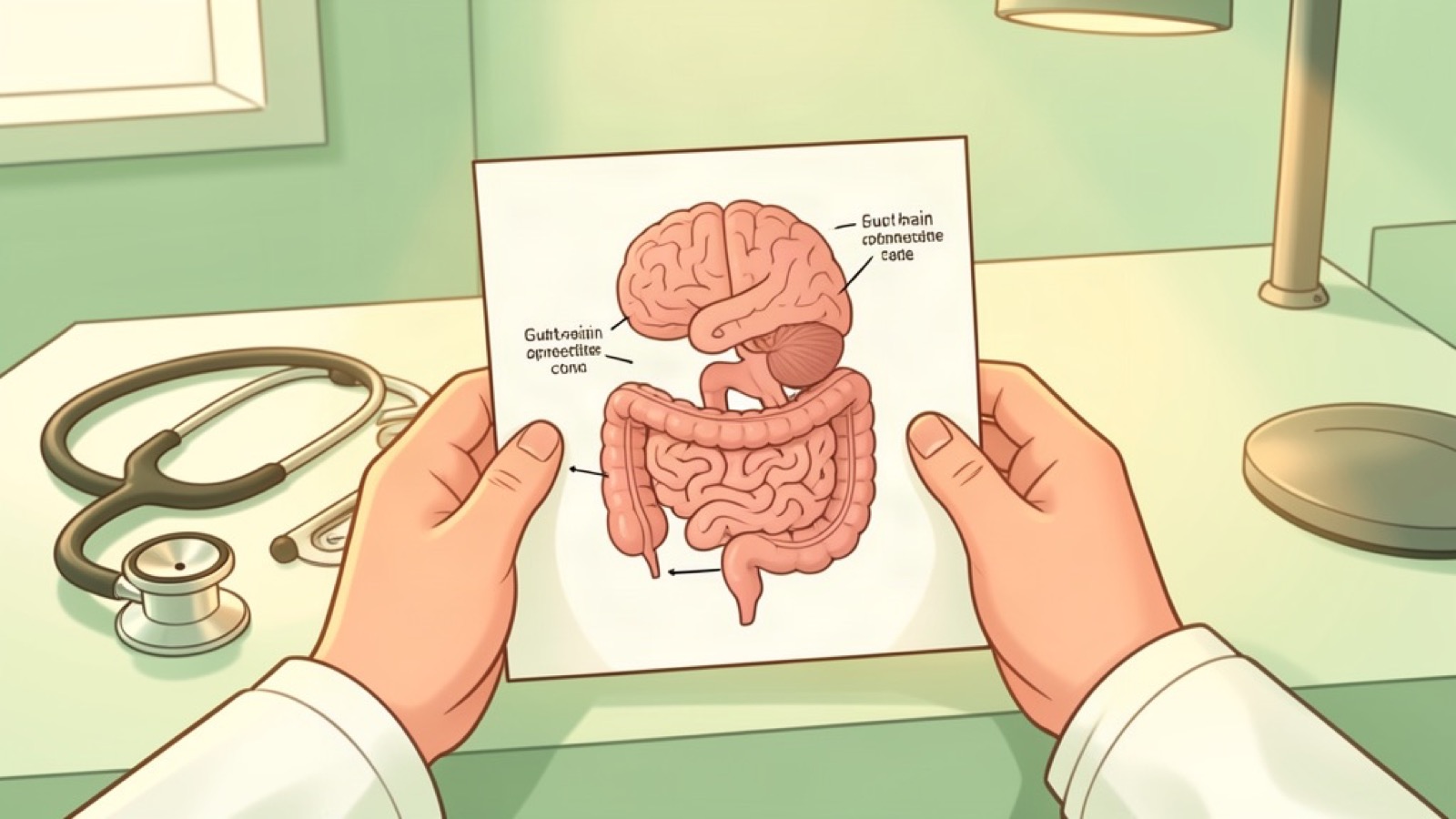
Every few years a medical story breaks through to the public — and the GLP-1 story is the biggest in weight management in a generation. But behind the headlines is a simple piece of biology: GLP-1 is a hormone your own body already makes. Understanding what it does explains why these medicines work the way they do, and what they can and cannot do.
What GLP-1 actually is
GLP-1 (glucagon-like peptide-1) is an incretin hormone — one of a family of gut hormones released from the intestines when you eat. Its job is to tell the rest of the body that food has arrived, so that systems can coordinate:
- It signals the pancreas to release insulin as blood sugar rises
- It tells the liver to stop releasing stored sugar
- It travels to the brain, where it acts on the appetite centres
The crucial detail for weight management: GLP-1 is one of the body’s natural fullness signals. It is part of how your body decides a meal is enough.
The problem: natural GLP-1 doesn’t last long
Natural GLP-1 is broken down within minutes by an enzyme in the body. Its effects are real but brief — a wave that passes soon after each meal. For someone whose appetite regulation has drifted (through years of large portions, erratic eating, certain medications or medical conditions), those brief signals may no longer be enough to keep intake in check.
How the medicines change the picture
The weight-management medicines in this class are GLP-1 receptor agonists — laboratory-made molecules that switch on the same receptors, but:
- More strongly than the natural hormone
- For much longer — designed to work for a full week from one injection
- At doses studied specifically for sustained appetite reduction
When these medicines work, patients describe the same story: food noise quiets, portions feel satisfying sooner, and fullness lasts longer between meals. That is not willpower being replaced — it is a biological signal being restored.
The three actions, summarised
| Action | What it does | Effect you notice |
|---|---|---|
| Brain (appetite centres) | Increases satiety, reduces hunger signals | Smaller portions feel enough |
| Stomach | Slows emptying | Fullness lasts longer |
| Pancreas/liver | Insulin released with rising sugar only | Steadier energy, less sugar crash |
Why this matters for how you lose weight
Because the medicine acts on signals rather than willpower, it changes the maths of weight loss: a calorie deficit becomes achievable without constant fighting. But — and this is the part every responsible clinic repeats — it changes appetite, not outcomes. The food choices, the movement, and the habits still matter, which is why treatment is always paired with lifestyle support, and why results vary so much between individuals.
The honest bottom line
GLP-1 medicines work with your biology rather than against it — which is precisely why they work so well for some people. It is also why they are not a quick fix: they amplify a system your body already runs, and lasting results come from using that amplification to build habits that outlast the medicine. If you are curious whether this class of treatment could fit your situation, the conversation starts with an assessment, not a prescription — the way our doctor-led programme is structured. For the wider picture of the treatment journey, our GLP-1 weight loss guide covers it end to end.
Frequently asked questions
Is GLP-1 a hormone or a medicine?
Both. GLP-1 (glucagon-like peptide-1) is a natural hormone your gut releases after meals. The medicines used for weight management are GLP-1 receptor agonists — laboratory-made versions that activate the same receptors, more strongly and for longer than the natural hormone.
Does GLP-1 slow the stomach?
Yes — one of its actions is slowing how quickly food leaves the stomach (gastric emptying), which contributes to feeling full longer. This is also the main reason the early side effects are digestive: nausea and fullness settle as the body adapts.
Is GLP-1 the same as insulin?
No. Insulin lowers blood sugar by moving glucose into cells; GLP-1 works upstream — it helps the body release insulin only when sugar is rising, and also acts on the brain. That is why GLP-1 medicines carry a lower risk of low blood sugar than insulin.
Can I increase my natural GLP-1 without medicine?
Food — especially protein and fibre — stimulates natural GLP-1 release, which is one reason high-protein, high-fibre meals keep you full. The effect is brief and modest; medicines are a different category altogether and are only ever a medical decision.